
Adjusting a uPVC door
A uPVC door that rubs, drops or lets in a draught can usually be adjusted at the hinges, with an Allen key and a few turns. Make small changes and test the door after each one, because a half-turn can be enough.
Hinge screws for a door that drops, rubs or lets in a draught, and when it is not worth adjusting.
Free and no obligation. Your request goes to one door fitter in your county, not a list.
- 3 screwsside, top and bottom on a flag hinge
- Small turnsthen test the door
- Allen keythe usual tool
- On a visitif the door is warped
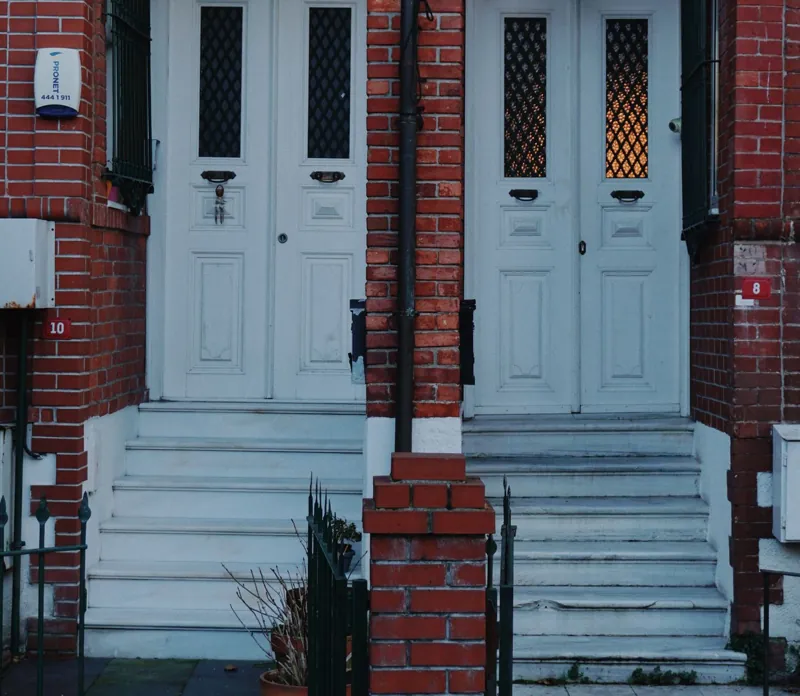
Flag hinges, step by step
- Look for small plastic caps over the hinge screws and lift them off.
- The side screw moves the door side to side. Turn it to centre the door in the frame.
- The top screw adjusts the height. Clockwise raises the door.
- The bottom screw adjusts compression against the seal. Clockwise tightens it.
- Make a small adjustment and close the door. Check, then adjust again.
Price your door
Three taps and the price shows as you go. Your name and number come last, and only if you want a fitter to price it.
A repair, lock or handle, door only, supplied and fitted: Priced on a visit.
How the price is worked out
The figure is what Irish fitters and price guides give for that door fitted, or for fitting alone if you already have the door. Side panels are on top of it. Where nobody publishes a figure, it reads priced on a visit. Use it to plan with. It isn't a quote: a fitter prices yours after seeing the opening.
Other hinges
On butt hinges the side screw moves the door sideways, and the top screw, under a cap, moves it up and down. T-hinges have one adjustment screw at the top or bottom.
A gap down the middle of the door, wider than at the top and bottom, can mean the door is warped, and that is a job for a fitter.
Draughts and the seal
Run a hand round the edge of a closed door and find the draught. It is usually one of three things: a worn seal, a latch and keep that no longer line up, or a door that is not pressing against the seal.
The bottom screw tightens the door against the seal, and a worn seal can be replaced without replacing the door. The price is on a visit.
When to stop
If the door will not lock after you adjust it, or the handle lifts but the bolts miss, the lock may be the fault: door locks. If it is the glass or the frame, or the door is warped, a new one may be cheaper: PVC door prices.
Other doors to look at
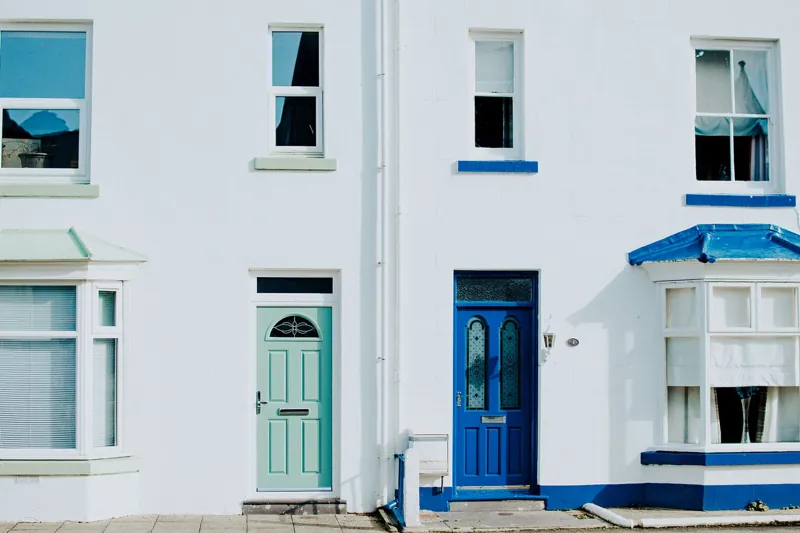 Front doorsFitted, €900 to €2,400. Most guides land between €900 and €1,500.
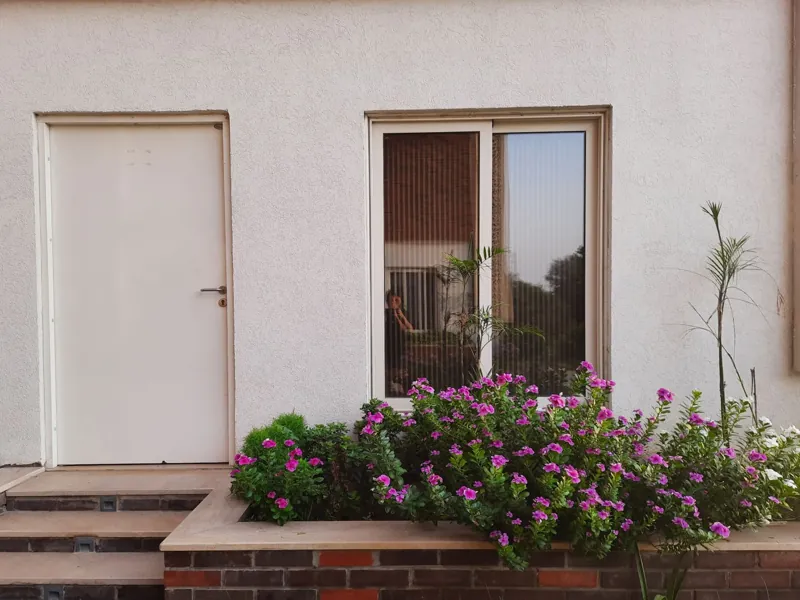 Back doorsFitted, €700 to €1,600. A plain back door is about half a day's work.
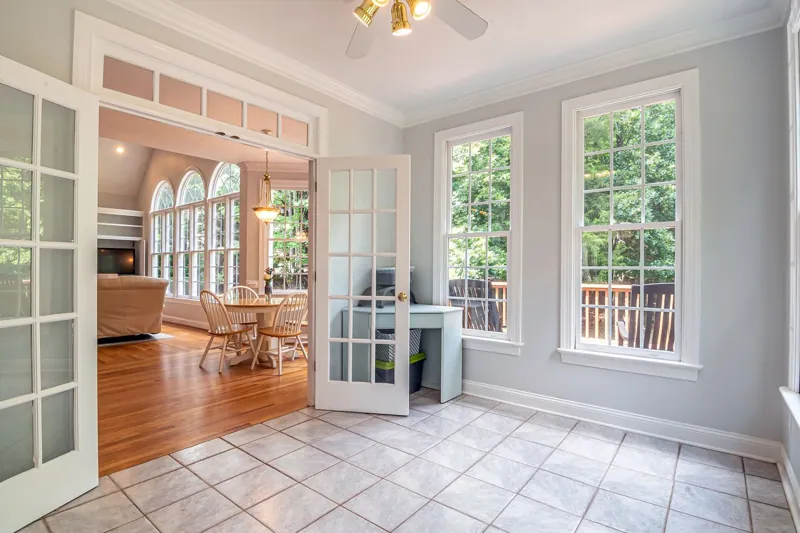 French doorsA pair of doors onto the garden, fitted for €1,200 to €3,500.
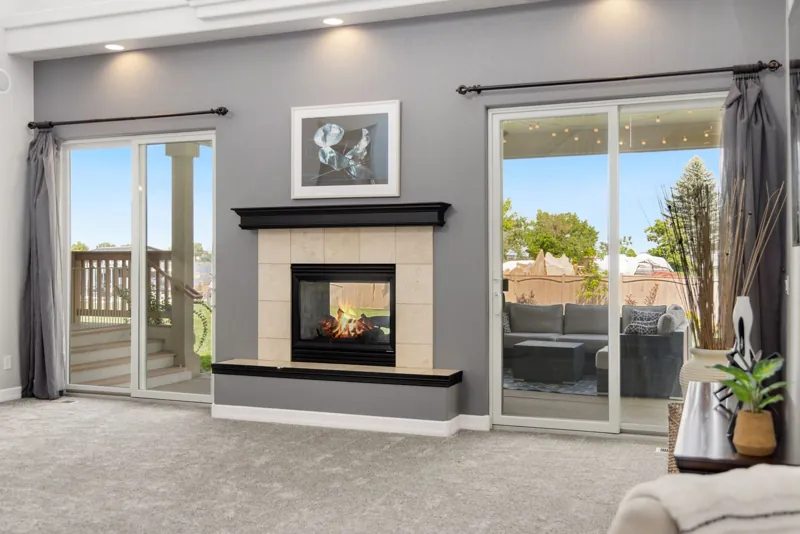 Sliding doorsA patio door that slides, fitted for €1,800 to €3,500.
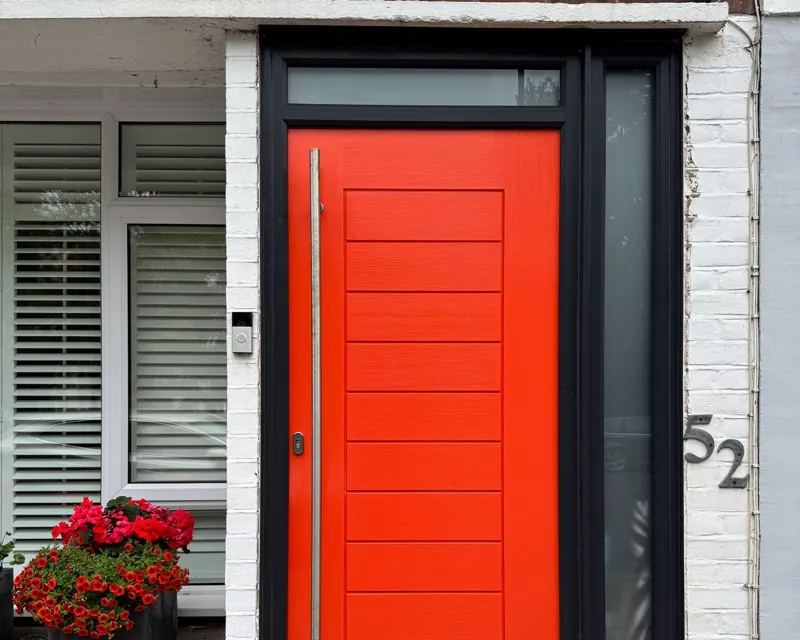 uPVC or compositeComposite costs €600 to €800 more like for like, and it lasts longer.
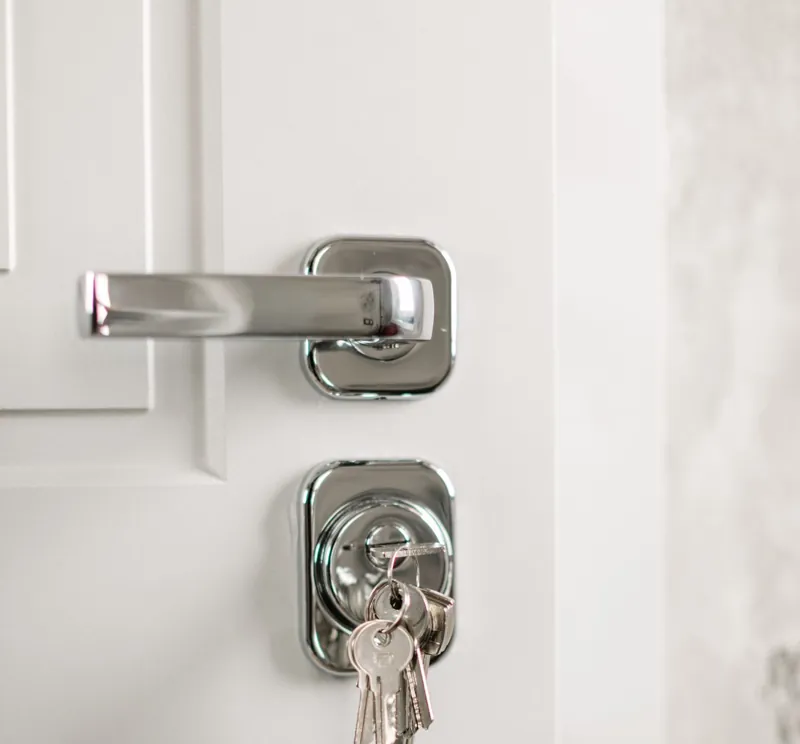 Handles and locksA new lever handle sells for about €27. Locks, cylinders and what they do.
Questions before you buy
How do I adjust a uPVC door?
A uPVC door that rubs, drops or lets in a draught can usually be adjusted at the hinges, with an Allen key and a few turns. Make small changes and test the door after each one, because a half-turn can be enough.
Why is my uPVC door rubbing?
It has usually dropped on its hinges. The top screw raises it, and the side screw centres it.
How do I stop a draught round a uPVC door?
Tighten the door against the seal with the bottom hinge screw, check the keep lines up with the latch, and replace the seal if it is worn.
What tool do I need?
Usually an Allen key. Some hinge screws sit under small plastic caps.
When should I get a fitter?
If the door is warped, the lock still fails after adjusting, or the seal needs replacing. Priced on a visit.
Everything on this site
Doors by kind
Costs, handles and locks
See the price before anyone rings
Pick the door, what goes with it and where you live. When you want a firm price, it goes to a single door fitter in your county.